Unlike a mezuzah, which halacha requires checking periodically, tefillin follow a somewhat different rule: if they are presumed valid (chezkat kashrut), there is no absolute obligation to ever check them. Still, the classic source (Chayei Adam, based on Shulchan Aruch Orach Chayim, siman 39, se'if 10) teaches that it is proper to do so: "Tefillin that were presumed valid have no obligation to be checked forever, but nonetheless it is proper to check them... twice every seven years" — meaning that even though it's not strictly required, the correct custom is to check them twice every seven years.
There's an important distinction for those who don't wear tefillin daily: the same source adds that someone who doesn't wear them regularly, only occasionally, should check them twice every seven years, out of concern that they may have deteriorated unnoticed, since infrequent use doesn't offer the same chance to catch a problem in time.
Checking tefillin covers several points: that the parashiot (the parchments written inside) still have all their letters intact, without cracks or stains that could invalidate a letter; that the batim (boxes) have no damage or separated stitching; and that the straps are in good condition, without cuts or unraveling that would affect their validity.
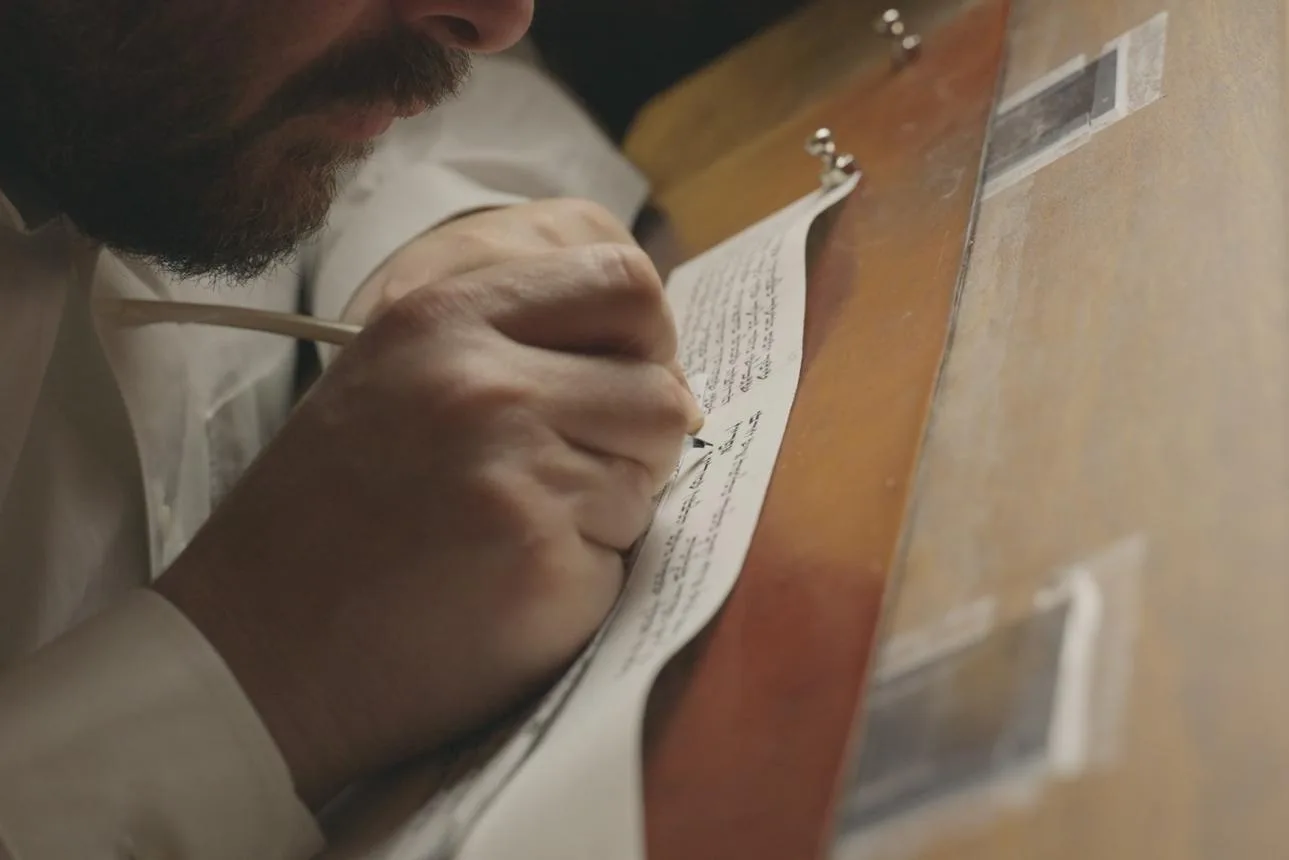
Unlike the periodic mezuzah check, which anyone can carefully do themselves, checking tefillin is more delicate — opening the batim and examining the parashiot requires the knowledge of a Sofer STaM, so it's always best to bring them to a certified one rather than attempting to check them yourself.
As with any applied halachic question, this article is only an informative introduction — for your specific case, consult a trusted rabbi.